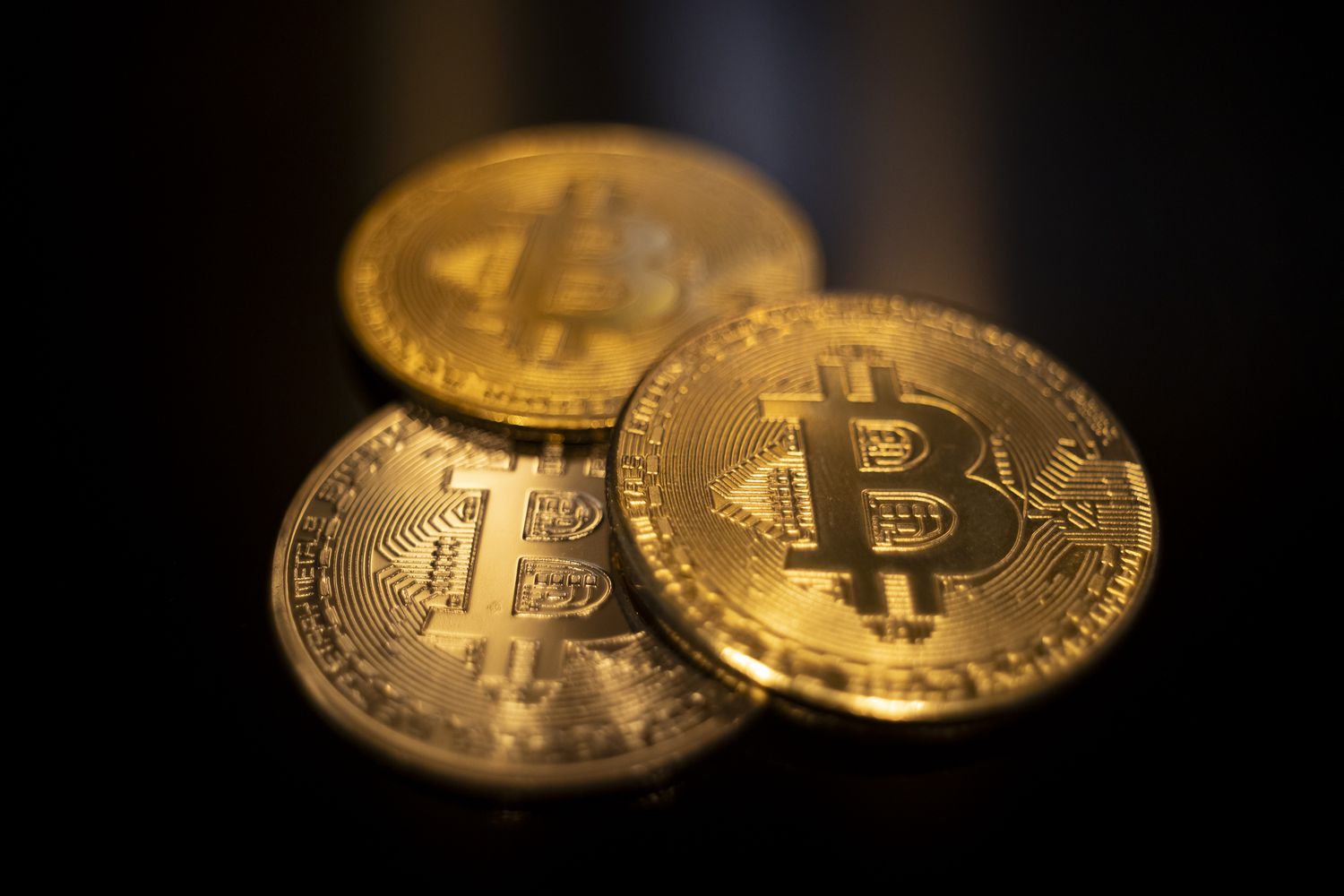
Over the past decade, Bitcoin has transitioned from a mysterious digital curiosity to a powerhouse asset class. Today, it stands as one of the most widely known and valuable cryptocurrencies, with a market cap of around $2 trillion. However, as with any investment, understanding how to make Bitcoin work for you is key. In this ultimate guide to Bitcoin investment, we’ll explore strategies for maximizing your returns while mitigating risks in this volatile, ever-changing market.
What Makes Bitcoin Unique as an Investment?
Unlike stocks, which represent equity in a company, Bitcoin operates on a decentralized blockchain, meaning its price is determined solely by supply and demand dynamics. While the traditional stock market has an established track record, Bitcoin’s value fluctuates based on broader adoption, investor sentiment, and inflationary factors.
Bitcoin’s fundamental scarcity gives it a unique position. With a total cap of 21 million coins, Bitcoin is a deflationary asset, similar to gold. As more people adopt Bitcoin and society continues to face inflationary pressures from fiat currencies, its price can potentially rise further. For example, Bitcoin recently crossed $100,000 per coin, showing its potential for massive price increases over the long term.
Bitcoin Investment Strategy 101: Tips for Maximizing Returns
While Bitcoin has the potential for incredible returns, its volatility can lead to significant risks. Here are some tried-and-true strategies that can help you invest in Bitcoin without succumbing to the extreme highs and lows of the market.
1. Buy Bitcoin Slowly and Steadily with Dollar-Cost Averaging
Bitcoin’s price can swing dramatically in short periods, which can lead to emotional decision-making. A great way to reduce the risk of buying in at a high point is to use a strategy called dollar-cost averaging (DCA). This involves purchasing Bitcoin at regular intervals, regardless of the market’s price. Over time, this strategy averages out the price you pay, reducing the impact of market volatility.
DCA allows you to gradually build a Bitcoin position without worrying about short-term market fluctuations, and it helps you avoid the temptation to “time the market” perfectly. While it may not guarantee a buy at the lowest possible price, it provides a steady and disciplined way to invest.
2. Avoid Leverage and Margin Trading
Leverage allows you to borrow money to buy more Bitcoin, increasing your exposure. On paper, this can amplify your profits during a bull market. However, leverage can also greatly magnify your losses when Bitcoin’s price drops, and its volatility makes margin trading even more dangerous.
Leverage should be avoided by those who are new to investing or uncomfortable with risk. Bitcoin’s price can swing 10% or more in a single day, and leverage can wipe out your investment in just a few minutes if the market goes against you.
3. Invest Directly or Through a Bitcoin ETF
Investors have two main options when it comes to purchasing Bitcoin: buy it directly or invest through a Bitcoin exchange-traded fund (ETF).
- Direct Investment: When you buy Bitcoin directly, you own the actual asset. This requires setting up a crypto wallet and purchasing Bitcoin on an exchange like Coinbase, Binance, or Kraken. Direct investment gives you full ownership and control over your Bitcoin, but it also requires you to secure it properly.
- Bitcoin ETFs: A simpler option is to buy shares of a Bitcoin ETF, like the Grayscale Bitcoin Trust (GBTC). This allows you to gain exposure to Bitcoin without the need for a digital wallet or managing security yourself. However, ETFs typically charge management fees, and you won’t own the actual Bitcoin. It’s a more passive way to gain exposure, but not ideal for those seeking full ownership.
4. Diversify Your Investment Portfolio
No matter how promising Bitcoin seems, it’s never wise to put all your eggs in one basket. Diversification is a critical strategy for long-term investing. Spreading your investments across various assets reduces risk, especially in the face of Bitcoin’s inherent volatility. While Bitcoin might outperform other assets in certain periods, traditional stocks, bonds, or commodities can provide stability to your overall portfolio.
Consider allocating a portion of your portfolio to Bitcoin, but make sure you have exposure to other asset classes as well. This can help protect your portfolio from downturns in the cryptocurrency market.
5. Consider Long-Term Holding (HODLing)
One of the most famous strategies in the cryptocurrency world is to “HODL,” or “hold on for dear life.” This means investing in Bitcoin and holding it for the long term, regardless of short-term price fluctuations. If you believe in the long-term potential of Bitcoin, HODLing may be a viable strategy for you.
However, long-term investors should be prepared for market swings. Bitcoin’s price may drop in the short term, but many investors believe its upward potential over the next decade outweighs these temporary drops.
Should You Invest in Bitcoin Right Now?
Before diving in, it’s crucial to ask yourself if now is the right time for you to invest in Bitcoin. While the cryptocurrency market holds incredible promise, it’s highly speculative. Bitcoin’s price could continue to rise, but there’s also a chance that we could experience significant corrections.
To make an informed decision, consider your risk tolerance, investment goals, and overall portfolio diversification. If you’re unsure about Bitcoin, you might want to explore other cryptocurrencies or traditional assets like stocks, which offer more stability.
Conclusion: The Future of Bitcoin Investing
Bitcoin has proven to be one of the most profitable assets of the past decade, but its future remains uncertain. As with any investment, it’s crucial to have a strategy and stick to it, regardless of the market’s ups and downs.
By following the strategies outlined in this guide, you can increase your chances of maximizing your Bitcoin returns while mitigating risk. Remember to buy steadily, avoid leverage, and diversify your portfolio. Whether you choose to invest directly or through ETFs, always ensure that your Bitcoin investment aligns with your broader financial goals.
Stay informed, stay disciplined, and the Bitcoin market might reward you over the long run.
Disclaimer: The above press release has been provided by a third party. We do not verify or endorse the content and will not be responsible for any inaccuracies, claims, or damages arising from the same.